MEDIA STATEMENT
For Immediate Release
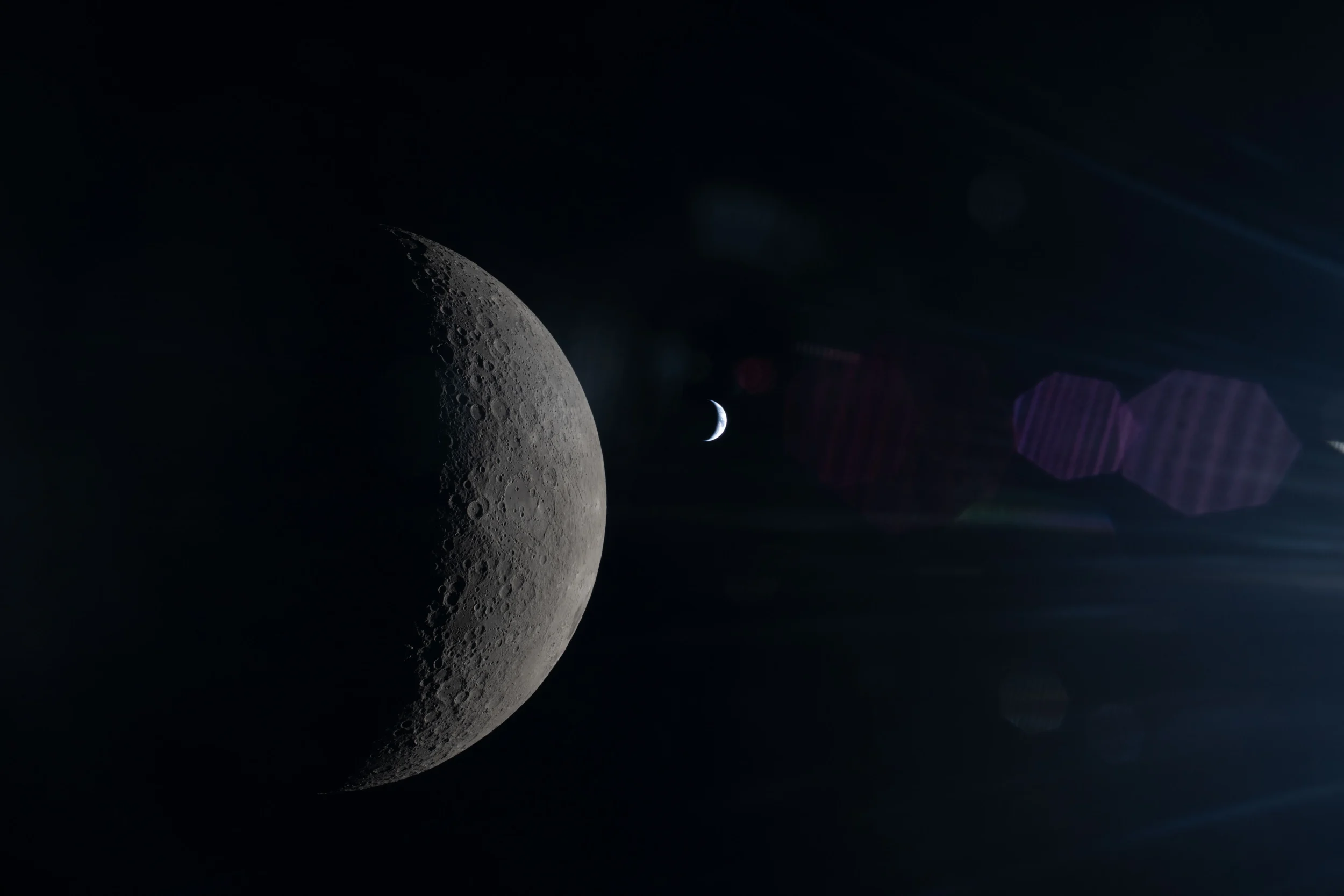
April 10, 2026, Ottawa – The Royal Canadian Geographical Society (RCGS) congratulates Canadian Space Agency astronaut Jeremy Hansen and his NASA Artemis II crewmates: Commander Reid Wiseman, Pilot Victor Glover, and Mission Specialist Christina Koch, on the successful completion of their historic mission to the Moon, culminating in a safe splashdown this evening off the coast of California.
“The exploration achievement of Jeremy Hansen as a crew member on Artemis II has literally made Canadian history. Go back a century or more. Who among Canadian explorers has done something equal to what Hansen has done? Rae? Stefansson? Bernier? No one. This is on a scale unprecedented in our history,” said John Geiger, CEO of the RCGS.
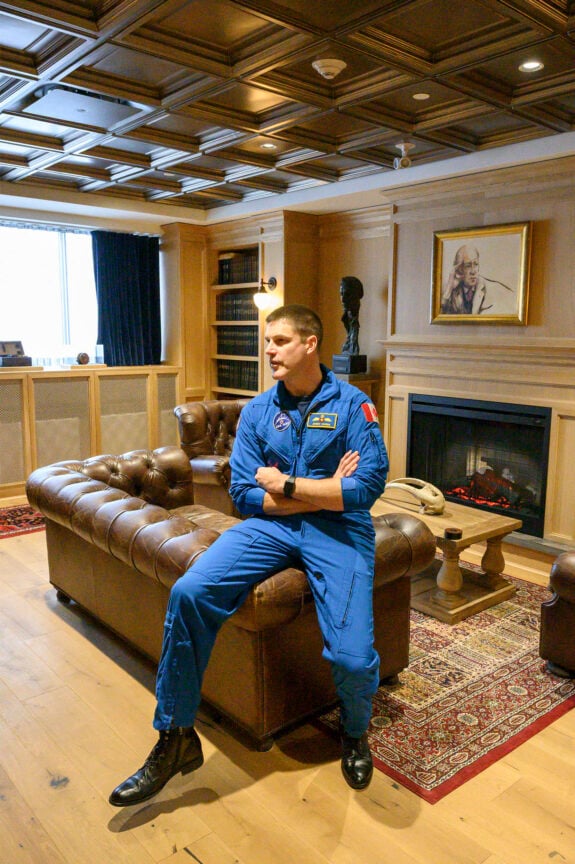
Hansen, a Fellow of the RCGS and recipient of the Society’s highest honour, the Gold Medal, became the first Canadian to travel to the Moon. His leadership aboard Artemis II reflects not only technical excellence, but a distinctly human approach to exploration that resonated around the globe.
This month, Hansen was featured on the cover of Canadian Geographic, Canada’s #1 paid magazine with a monthly reach of 4.6 million. He has also participated in educational workshops, film screenings and seminars at Canada’s Centre for Geography and Exploration at 50 Sussex Drive, which serves as the headquarters of the RCGS.
This mission stands as a shining example of international cooperation between the United States and Canada, and highlights what can be achieved when nations work together in pursuit of discovery, knowledge, and a shared future in space.
Earlier this week, Hansen demonstrated that spirit in a profoundly moving way. While orbiting the Moon, he named a lunar crater, a “bright spot on the moon”, in honour of Carroll Wiseman, the late wife of mission commander Reid Wiseman.
“A number of years ago, we started this journey with our close-knit astronaut family, and we lost a loved one,” Hansen said during the emotional moment. Referring to Carroll, a nurse and mother of two who passed away from cancer in 2020, his voice broke as he explained that the crater would sometimes be visible from Earth. He then carefully spelled her name for mission control.
The gesture brought visible emotion to the crew. Astronauts wiped away tears as Wiseman embraced Hansen, followed by a group hug—an extraordinary scene that revealed a new era of space exploration defined not only by courage and precision, but by compassion and connection.
Artemis II stands in contrast to earlier generations of lunar missions. Its diverse crew—the first to include a woman, a person of colour, and a non-American on a lunar voyage—reflects a changing world and a broader vision of who exploration is for. More than 50 years after Apollo, humanity returns to the Moon not just with new technology, but with a deeper sense of shared purpose.
As Artemis II returns safely to Earth, it leaves behind more than milestones in space—it leaves a legacy of humanity, remembrance, and inspiration that will guide future generations of explorers.
Photo credit: Javier Frutos, Canadian Geographic
For more information please contact:
Rosemary Thompson
Vice President, External
Royal Canadian Geographical Society
(613) 240-6739
[email protected]