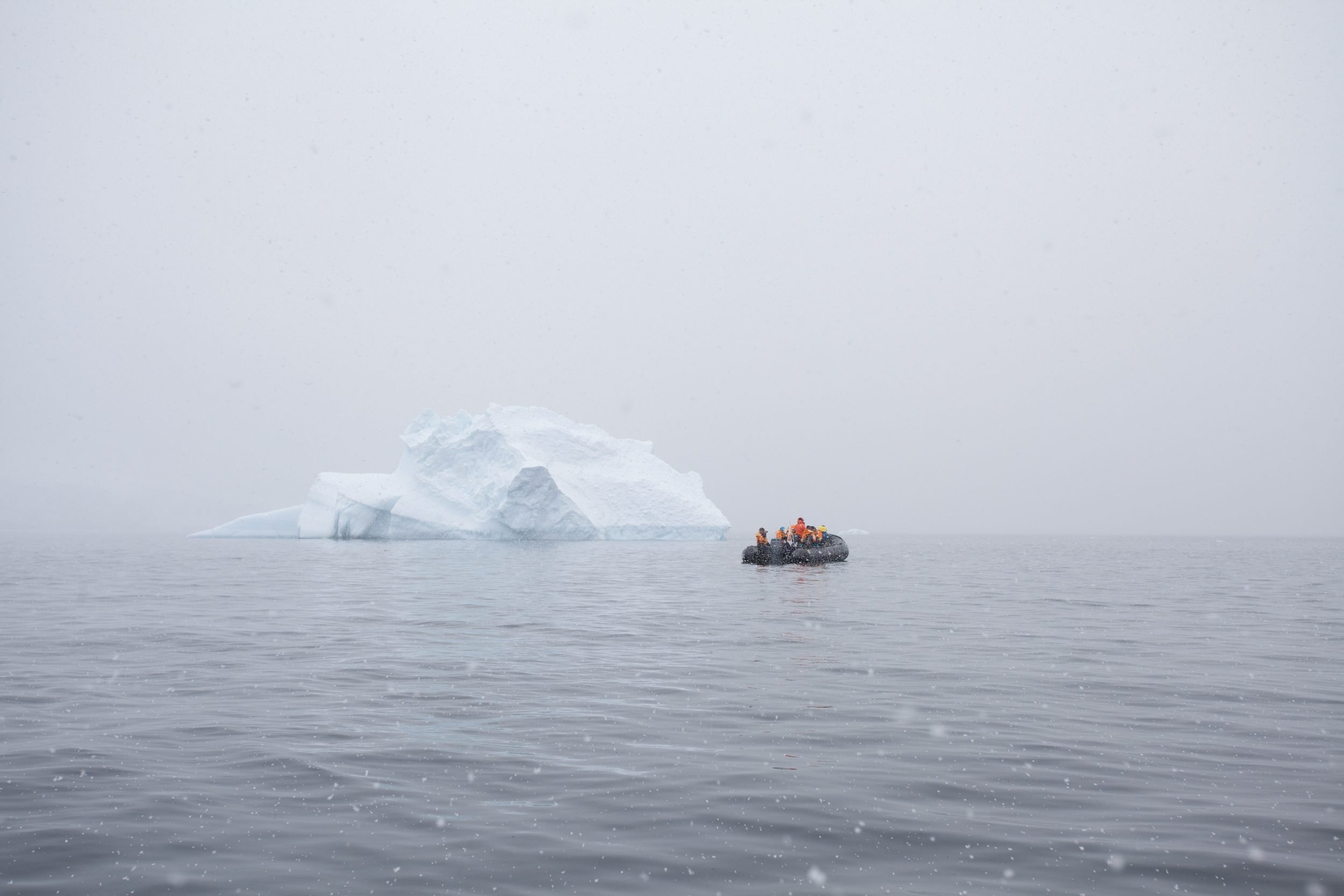
Each year, the Royal Canadian Geographical Society awards grants to teams or individuals embarking on expeditions to enhance the appreciation, understanding and knowledge of the physical, environmental and cultural geography of Canada. In 2025, the Society is pleased to award nine expedition grants to projects both major and modest. This year, RCGS-funded expeditions will see teams ski across from Akulivik to Kangirsuk, canoe the Northern Fur Route, explore new sections of the ARGO cave system, and traverse Ellesmere Island in the winter.
Expedition of the Year
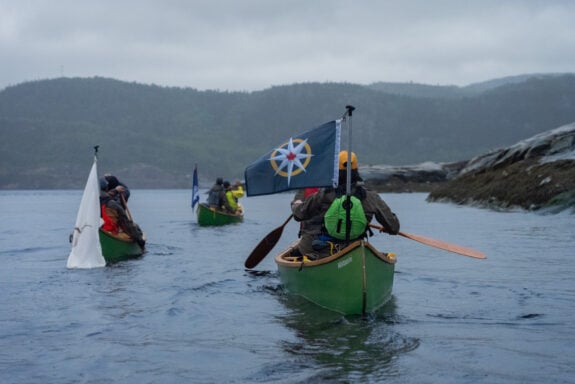
To the North Sea 2025 | À la mer du Nord 2025
Grantee: Bruno Forest
A 1,200 km canoe expedition on the Northern Fur Route from Tadoussac to Waskaganish (James Bay), aboard canvas-covered cedar canoes. The team will consist of Quebec and Innu participants who will take turns canoeing in a sort of ‘relay’ style approach. An Atikamekw team will leave Obejiwan and join the team at Lake Obatogamau to Tistissini. From Mistissini to Waskaganish, two Cree ambassadors will join the team.
Major Grants
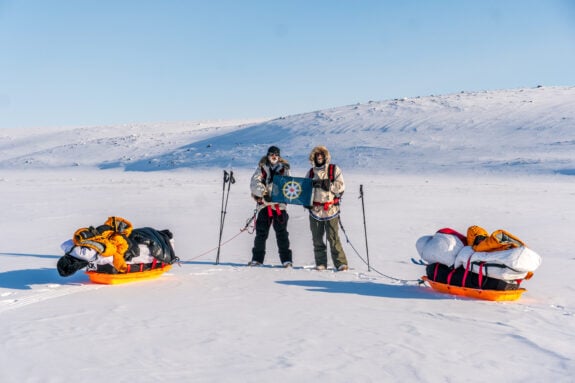
Across Ungava: Ski Expedition
Grantee: David Greene
The team will ski from Akulivik to Kangirsuk, Nunavik, Quebec, via the Pingualuit Crater covering 543 km over 25 days through some of Canada’s most remote and pristine landscapes. Starting in Akulivik, the team will ski east until they reach a plateau of frozen tundra, lakes and snow-covered terrain. Halfway through the journey, the team will reach a significant protected area, and then will further traverse frozen tundra until they reach their goal of Kangirsuk. They hope to educate Canadians and the world on better understanding Canada’s geography and Indigenous cultures of Nunavik. They will support these goals through extensive interactive lesson planning and engagement with school-aged students in real time.
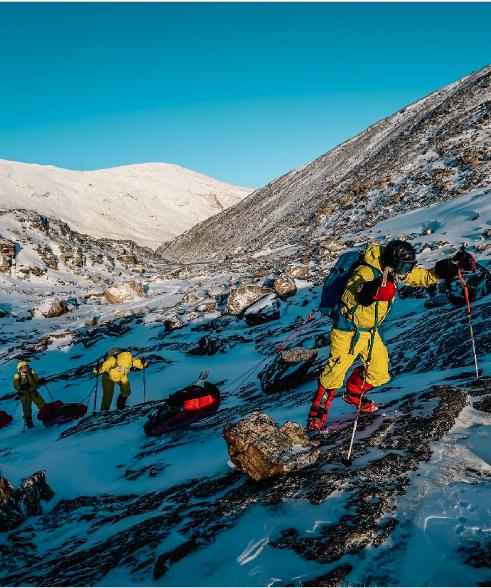
Trans-Ellesmere Expedition 2025
Grantee: Ray Zahab
In March 2025, Ray Zahab and Kevin Vallely will traverse Ellesmere Island in the winter collecting data and sharing their journey with classrooms from around the world. The expedition will entail a never-before-attempted unsupported winter ski journey from Alert, at the northern tip of Ellesmere Island, traveling 600km south to the research station of Eureka on the Fosheim Peninsula. The three key objectives of the journey are to increase understanding and support for northern biodiversity, to undertake scientific observation and data collection, and to share the journey with classrooms around the world.
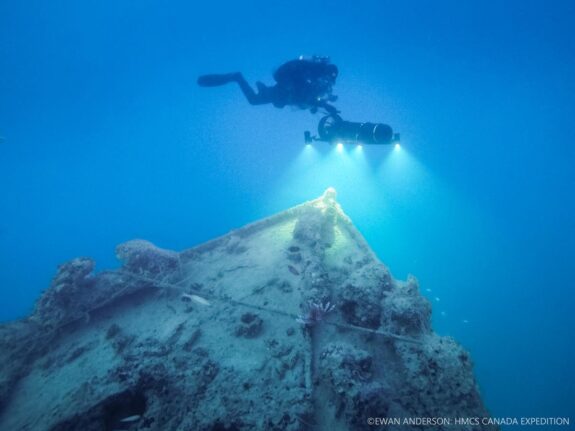
HMCS Canada Expedition 2025
Grantee: Joseph Frey
This expedition will document, interpret and protect the wreck of the HMCS Canada, the Royal Canadian Navy’s first purpose-built warship and its flagship in 1917. Launched in 1904 as a fisheries patrol vessel, it served during WWI, training recruits, escorting convoys and surviving the Halifax Explosion. Later sold and renamed Queen of Nassau, the vessel sank off the Florida Keys in 1926. The expedition’s objectives include photogrammetry documentation, scientific analysis of its ecological and structural integrity, historical interpretation, public engagement through virtual access and updates to Canadian and American institutions.
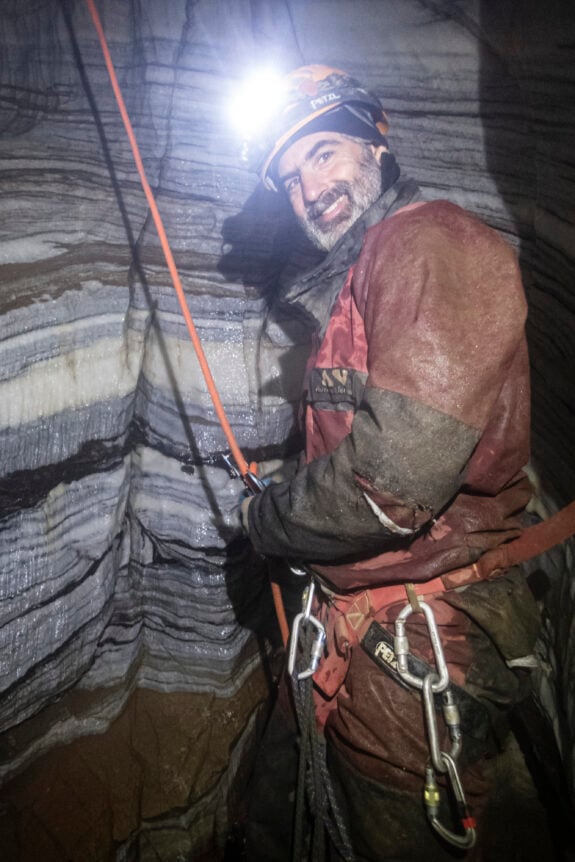
The White Rabbit Connection Project
Grantee: Kirk Safford
A narrow band of marble in the northern Monashee Mountains of British Columbia contains a series of unique caves that have the potential for a 1,000 metre deep system in Canada and the US. White Rabbit is the largest cave in the system currently surveyed to over 7,500 metres in length (8th longest in Canada). Less than 300 metres is Over the Hill cave, and connecting the two would make for a system in the order of 600 metres deep and 10,000 metres in length.
Women’s Grant
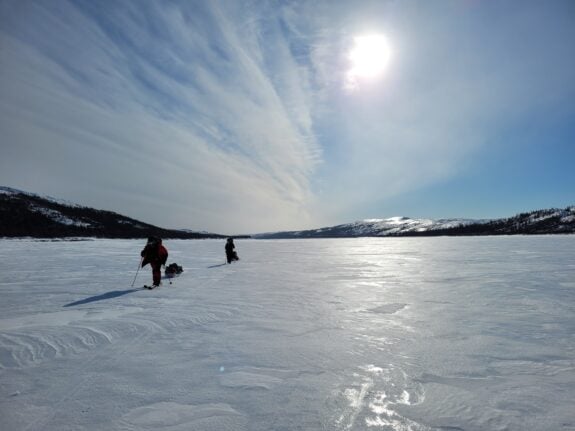
Azimut Ungava
Grantee: Kathleen Goulet
In February 2025, a 4-woman team will cross Nunavik on Nordic skis. With an estimated duration of 55 days, this expedition aims to reach Ungava Bay via the De Pas and George rivers. Six supplies will be dropped before departure along the 658 kilometre route. They plan to reach the Inuit village of Kangiqsualujjuaq around April 8, 2025. In addition to the goal of crossing Nunavik on its north-south axis, the adventurers want to highlight women’s leadership in the outdoor community. Through this project they hope to inspire girls and women to get involved in large-scale projects and above all, to believe in their ability to do so.
Natalie Gillis Adventure Photography and Expedition Grant
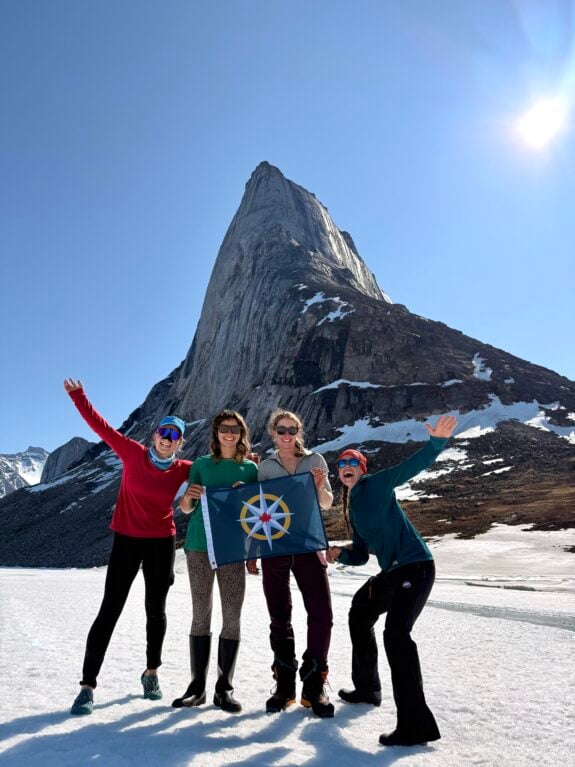
Female+ First Ascents in the Canadian Arctic: A Female+ Climbing Expedition on Baffin Island
Grantee: Shira Biner
A female+ team will fly to the remote Inuit village of Clyde River and except for a snowmobile gear cache by a local outfitter, will be entirely human-powered once they leave Clyde River. They will ski 150 km on the sea ice to the end of Eglinton Fjord where they will establish a base camp. Mount Damocles and an unnamed peak which rises to 1200m, 1600m and 1000m above the sea respectively. The team will spend three weeks there with the aim to put up at least two first ascents, an alpine style and a big wall on the surrounding three mountains. The entire human-powered journey will be around 240 kilometres.
David Sawatzky Cave Exploration Grant
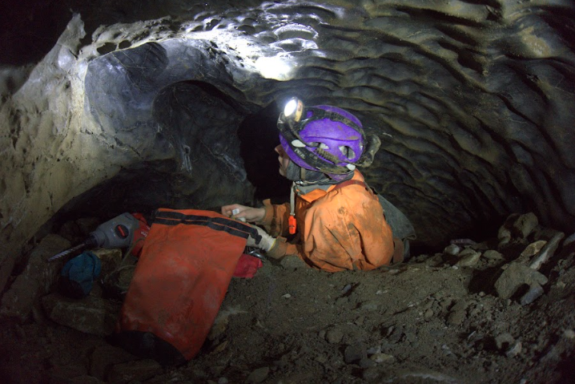
ARGO Project
Grantee: Erin Bartlett
The ARGO cave system is located on Vancouver Island near Woss (on the North Island). The main objective of the ARGO project is to increase the surveyed length and explore new sections of the cave. This exploration aids in our ability to argue for the protection of the surrounding area that is currently under threat of logging. In addition to encouraging local acknowledge of the importance of this ecosystem’s watershed and the unique organisms that it hosts.